Contortion and Practices of Body Flexibility in East Asia
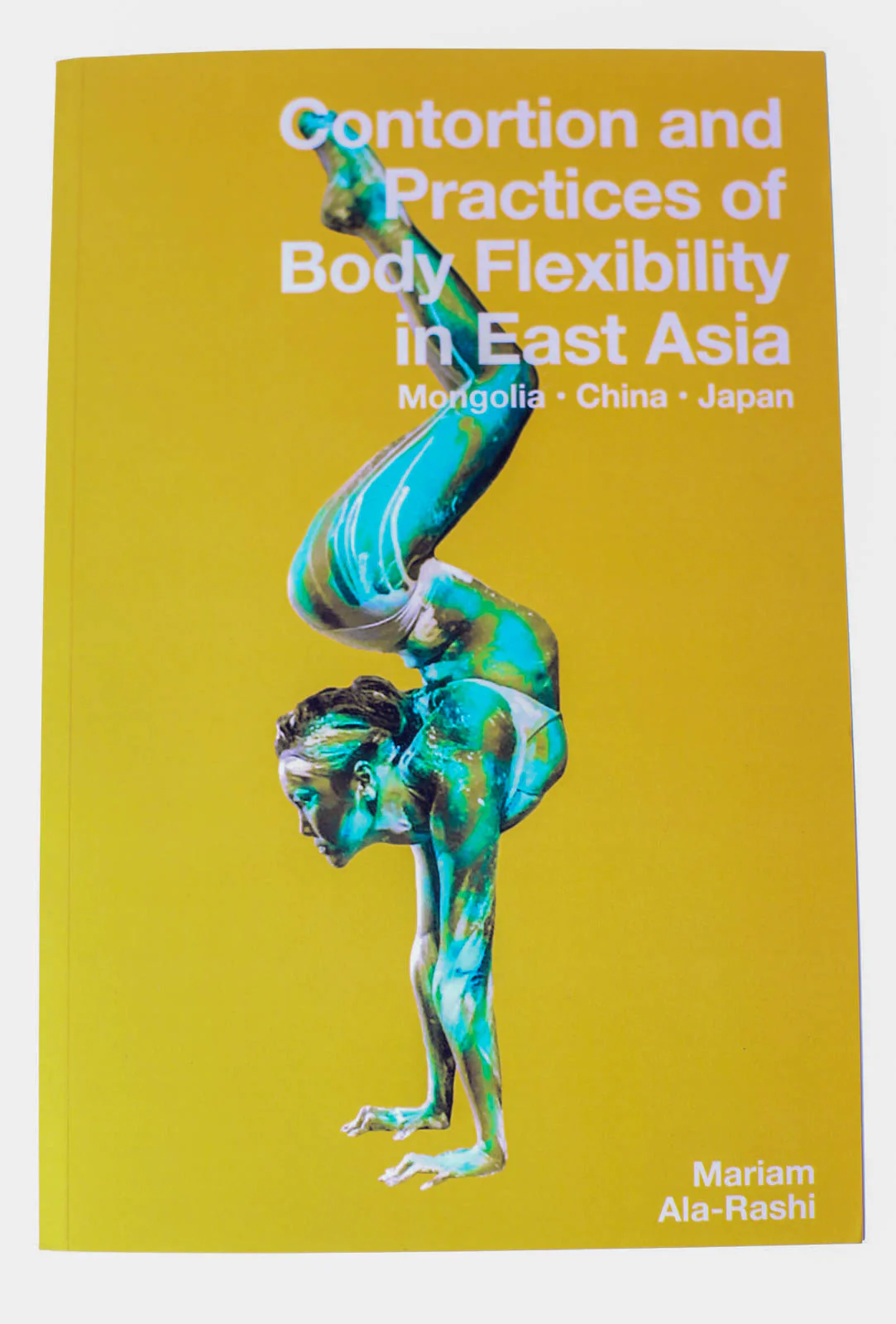
This scholarly book explores the cultural, historical, and performance traditions of extreme body flexibility — especially contortion — across East Asia. Rather than treating contortion simply as a circus trick or physical feat, the book examines it as a complex cultural practice shaped by training systems, aesthetics, health traditions, and performance history.
It combines performance studies, cultural history, and body theory to show how flexibility has been understood, practiced, and displayed in different East Asian contexts.
This scholarly book explores the cultural, historical, and performance traditions of extreme body flexibility — especially contortion — across East Asia. Rather than treating contortion simply as a circus trick or physical feat, the book examines it as a complex cultural practice shaped by training systems, aesthetics, health traditions, and performance history.
It combines performance studies, cultural history, and body theory to show how flexibility has been understood, practiced, and displayed in different East Asian contexts.
Description
This scholarly book explores the cultural, historical, and performance traditions of extreme body flexibility — especially contortion — across East Asia. Rather than treating contortion simply as a circus trick or physical feat, the book examines it as a complex cultural practice shaped by training systems, aesthetics, health traditions, and performance history.
It combines performance studies, cultural history, and body theory to show how flexibility has been understood, practiced, and displayed in different East Asian contexts.